Best Corrosion-Resistant Steel Pipe for Seawater Applications
Seawater environments are among the most aggressive conditions for pipelines and structural systems. High salinity, moisture, temperature variations, and biological activity accelerate corrosion and material degradation. Selecting durable, safe, and cost-effective steel pipes for marine and coastal uses is important. Whether in desalination plants, offshore platforms, or shipbuilding, corrosion-resistant piping solutions are essential for optimal operations.
From the best corrosion-resistant materials, coatings, and design considerations to managing parameters associated with seawater exposure, this guide is intended for engineers, contractors, and procurement teams in search of a corrosion-resistant solution for seawater applications.
Understanding the Challenge of Seawater Corrosion
Combined with the dissolved salts, oxygen and microorganisms in the seawater, they provide an electrochemical environment for corrosion to occur. Conventional steel in seawater oxidizes rapidly and leads to rust, pits, and failure of the desired structure.
Key corrosion factors include:
- High chloride content that accelerates metal degradation
- Continuous moisture exposure
- Temperature and pressure variations
- Marine organisms that contribute to biofouling
- Oxygen-rich environments promoting oxidation
In such arduous conditions selecting steel pipes with corrosion resistance allows saving on maintenance costs and extends service life significantly.
Types of Corrosion-Resistant Steel Pipes for Marine Use
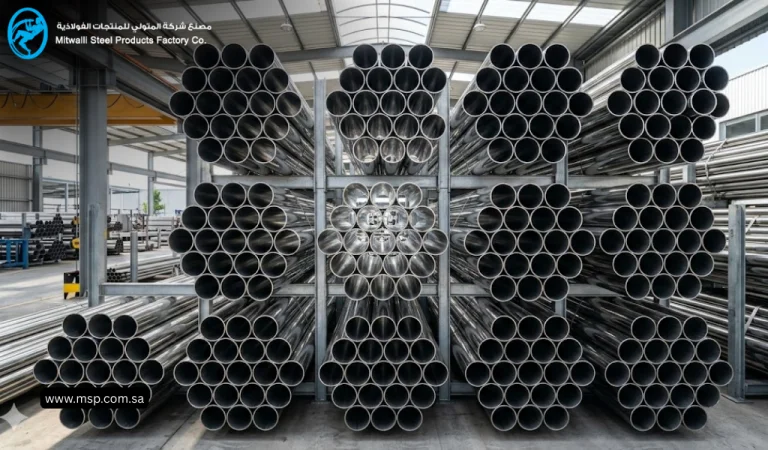
1. Stainless Steel Pipes
Boiler pipes, pressure vessels, and so on.) The steel are used in marine environments because of the chromium and a protective oxide layer forms.
Advantages:
- Excellent resistance to chloride corrosion
- Long lifespan with minimal maintenance
- Smooth surface reduces fouling
- Suitable for desalination and seawater intake systems
For exposure to seawater, grades 316L and duplex stainless steel are ideal providing corrosion resistance.
2. Duplex and Super Duplex Steel Pipes
Duplex stainless steels, with an austenitic-ferritic mixed structure, provide elevated strength and corrosion resistant abilities.
Best suited for:
- Offshore oil & gas platforms
- Seawater cooling systems
- High-pressure marine applications
The pipes are much stronger and less prone to stress corrosion cracking than regular stainless steel.
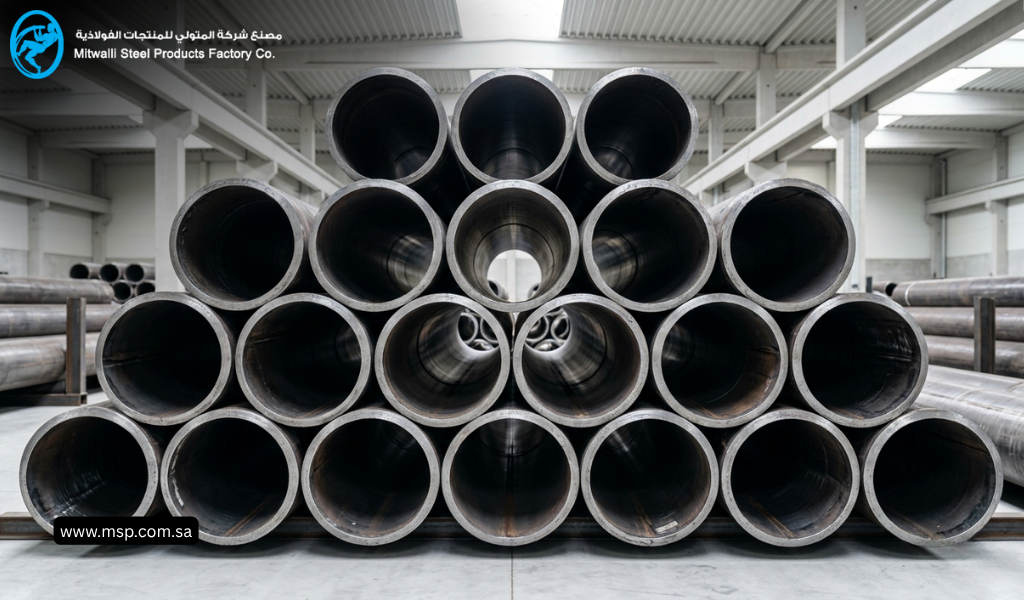
3. Seamless Steel Pipes with Protective Coatings
Because the pipes do not contain welded seams, which provide a weak point for corrosion to begin, seamless steel pipes are well-suited to marine environments.
Combining them with a protective coating such as epoxy, polyethylene, fusion-bonded epoxy (FBE) can provide:
- Improved corrosion resistance
- Enhanced durability under pressure
- Longer service life in submerged environments
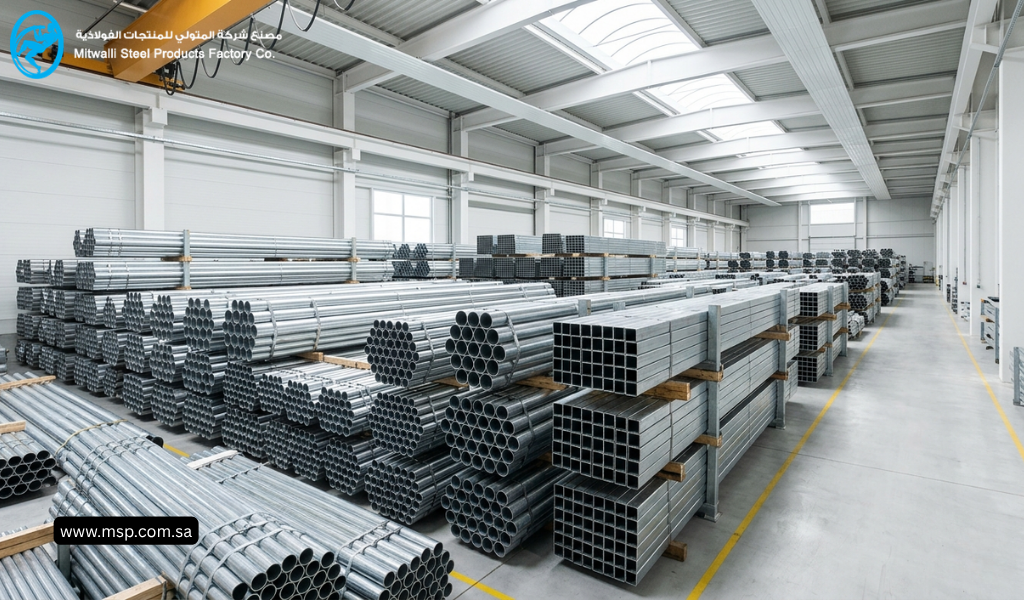
4. Galvanized Steel Pipes
Hot-dip galvanization involves coating steel with zinc, which acts as sacrificial protection against corrosion.
Common uses:
- Coastal infrastructure
- Marine fencing and structural supports
- Temporary seawater transport systems
Galvanised pipes are excellent for cost-effective piping but not good for submerged seawater feed in the long run.

Importance of Protective Coatings and Linings
Even for the corrosion resistant materials, we have extra protective systems].
Common protective methods include:
- Epoxy coatings for chemical resistance
- Polyethylene coatings for moisture protection
- Cement mortar linings for internal corrosion protection
- Cathodic protection systems to prevent electrochemical corrosion
All of these improvements increase pipeline life while minimizing operational downtime.
Applications of Steel Pipes in Seawater Environments
Corrosion-resistant piping is essential across marine and coastal industries:
- Desalination plants and water treatment facilities
- Offshore drilling and energy platforms
- Shipbuilding and port infrastructure
- Seawater cooling systems in power plants
Selecting high-quality materials from a reliable steel pipes company ensures performance and compliance with marine engineering standards.
Key Factors to Consider When Selecting Steel Pipes
Choosing the right pipe solution requires evaluating several technical and operational factors:
Material Composition
Select alloys designed to resist chloride-induced corrosion.
Pressure & Temperature Conditions
Ensure the pipe can withstand operational demands.
Protective Coatings
Choose coatings suitable for seawater immersion.
Installation Environment
Consider submerged vs. splash-zone exposure.
Maintenance Requirements
Opt for materials that minimize long-term upkeep.
Whatever marine project you have, you will have best material selections and engineering support with the experienced suppliers like Mitwalli Steel.
Why Seamless Steel Pipes Are Preferred in Marine Projects?
Seamless pipes provide a uniform structure and better ability to withstand the pressure. Their advantages include:
- Reduced risk of leakage and structural failure
- Enhanced strength under high pressure
- Improved corrosion resistance when coated
- Ideal performance in subsea pipelines
Seawater Transport Systems Marine Engineers/consultants often specify seamless solutions to critical seawater transport systems
Also read: The Essential Guide to Steel Pipes: Types, Uses, and Benefits
Benefits of Choosing a Trusted Steel Pipes Company
A professional and experienced steel pipes company will commit to quality and compliance with standards, long-term reliability.
A trusted supplier provides:
- Certified marine-grade materials
- Custom coatings and corrosion protection
- Technical consultation and project support
- Compliance with international standards
- Timely delivery for large-scale projects
Net Power Industry leaders as Mitwalli Steel bring about solutions of corrosion resistance built to withstand the harsh seawater conditions.
Maintenance Tips to Extend Pipe Lifespan
Systems, even corrosion-resistant ones, are better maintained.
Best practices include:
- Routine inspections for coating damage
- Cleaning to prevent marine growth buildup
- Monitoring cathodic protection systems
- Prompt repair of scratches or coating defects
It can minimize lifecycle expense by preventive maintenance.
Future Innovations in Corrosion-Resistant Steel Pipes
Technological advancements continue improving marine pipeline durability:
- Nano-coatings for enhanced corrosion protection
- Advanced duplex alloys with superior chloride resistance
- Smart monitoring sensors for corrosion detection
- Eco-friendly coatings for sustainable marine use
These innovations will help in lowering the maintenance cost of industries while enhancing operational safety.
Conclusion
Selecting corrosion-resistant steel pipes is critical for ensuring durability and reliability in marine and seawater environments. From stainless and duplex alloys to coated seamless steel pipes, modern solutions provide long service life, reduced maintenance, and superior performance.
Partnering with an experienced supplier like Mitwalli Steel ensures access to high-quality materials, expert guidance, and customized solutions tailored to marine conditions. Investing in corrosion-resistant piping today protects infrastructure, reduces long-term costs, and ensures safe operations for decades.
FAQs on Steel Pipes
1. What type of steel pipes are best for seawater applications?
Duplex stainless steel, super duplex steel, and coated seamless steel pipes offer the best corrosion resistance in seawater environments.
2. Why are seamless steel pipes preferred in marine systems?
Seamless pipes eliminate weld weak points, improving strength, pressure resistance, and corrosion durability.
3. How do corrosion-resistant steel pipes extend service life?
They resist chloride corrosion, prevent pitting, and reduce structural degradation caused by seawater exposure.
4. Do seawater pipelines require protective coatings?
Yes. Coatings like epoxy and polyethylene enhance corrosion protection and extend pipe lifespan.
5. How do I choose a reliable steel pipes company?
Look for certified materials, marine-grade expertise, coating options, and proven project experience.